-
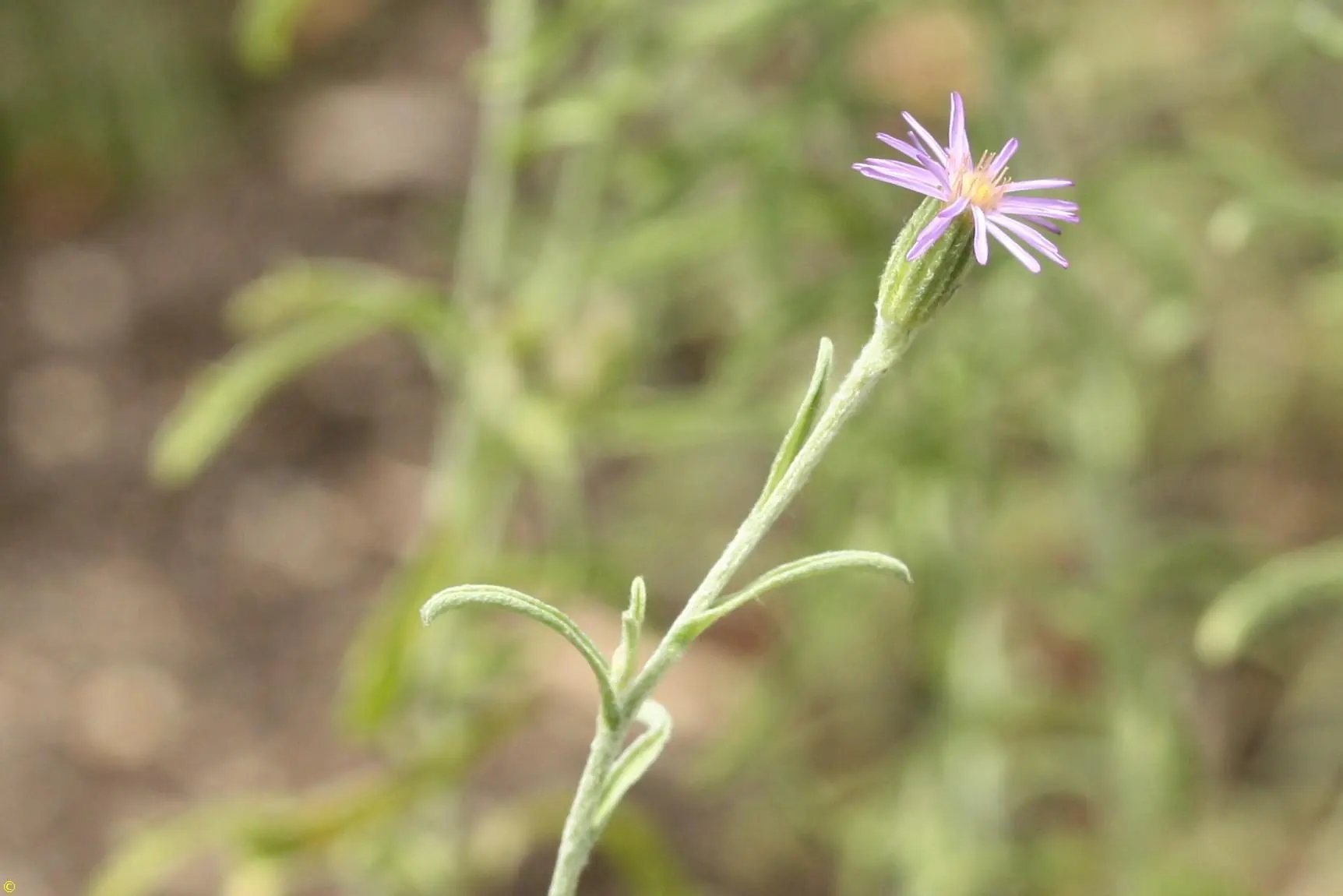 Image Credit: Tim Rudman – Natural Values Atlas
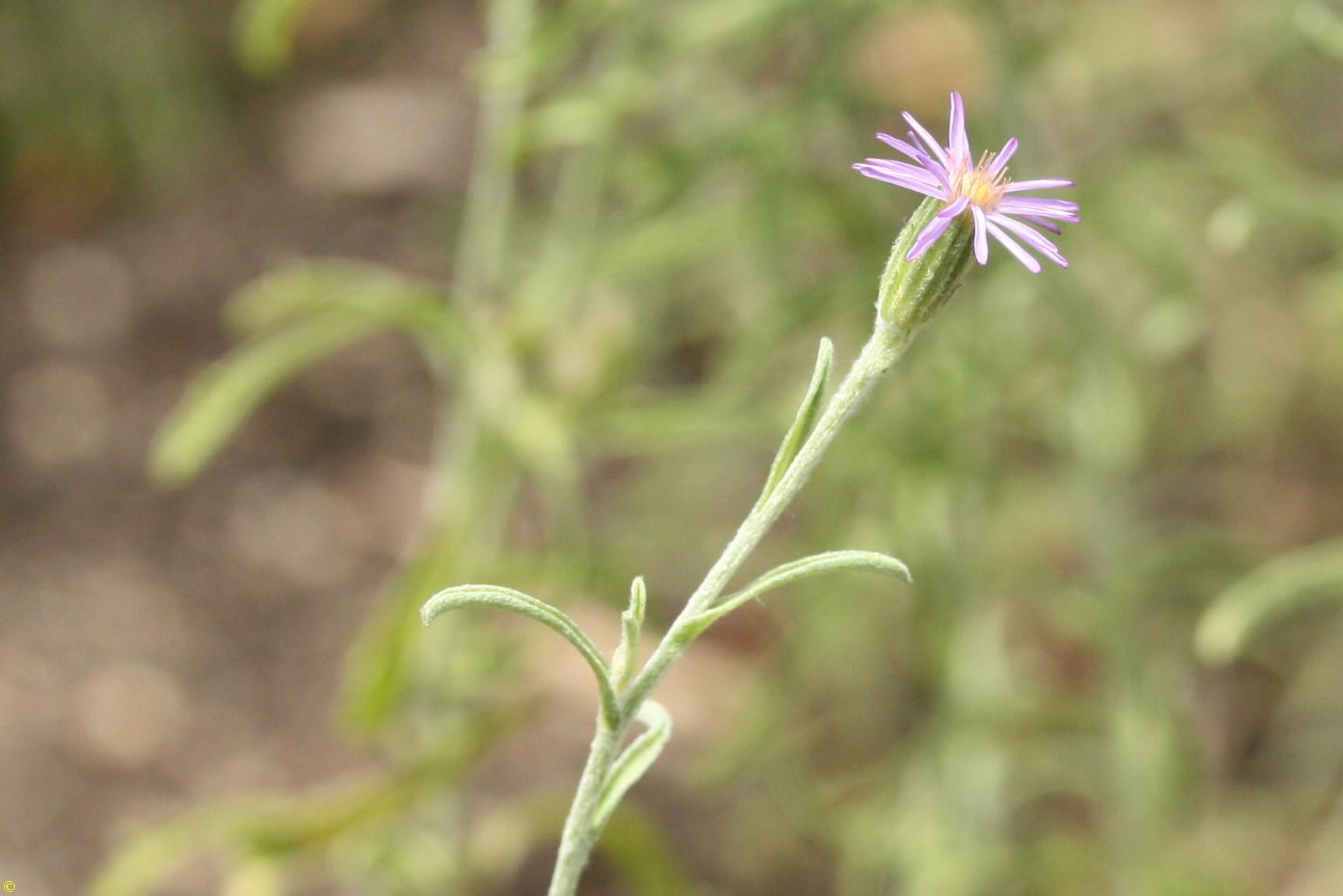
Scientific Name: Vittadinia gracilis
Common Name: woolly new-holland-daisy
Family Classification (Clade): Eudicots
Family: Asteraceae
Threatened Species Status: Rare
Permit: It is an offence to collect, disturb, damage or destroy this species unless under permit.
Form Description: Perennial undershrub, stems and leaves with soft woolly hairs.
Height (m): 0.1 – 0.3
Flowers: Heads in loose leafy clusters.
Fruit: Achene – 4-7mm long, usually finely striate, downy, capillary bristles fawn or pale reddish-brown.
Municipality
Plant Communities
Habitat Notes
Widespread and frequent especially in dry stony places.
Site Tolerance
Dry, Rocky
Soil Tolerance
Nutrient-poor, Well-drained
Propagation Calendar
-
Flowering Month
Jan Feb Mar Apr May Jun Jul Aug Sep Oct Nov Dec -
Seed Collecting Month
Jan Feb Mar Apr May Jun Jul Aug Sep Oct Nov Dec -
Sowing Month
Jan Feb Mar Apr May Jun Jul Aug Sep Oct Nov Dec -
Cutting Month
Jan Feb Mar Apr May Jun Jul Aug Sep Oct Nov Dec
Propagation Method
Seed Information
Seed Collection
Collect seed heads into paper bags and allow to dry. Rub seed heads on wire screens or break up by hand. Sieve to clean.
Seed Treatment Method
Leaching Some species require extended time in nature weathering prior to germination as chemical inhibitors are broken down in the seed coat. Replicate this process by flushing away the inhibitor with frequent washing e.g. place the seeds in a stocking in a toilet cistern and drape it over the top for easy handling.
Seed Storage Life
Short
Seed Treatment Notes
Seed does not appear to have an after-ripening period. Light is required for germination with many species. Soaking or leaching seed for 10 days may improve germination. Some species have best results at lower temperatures. Surface sow or lightly cover.
Germination Time
1-3 weeks