-
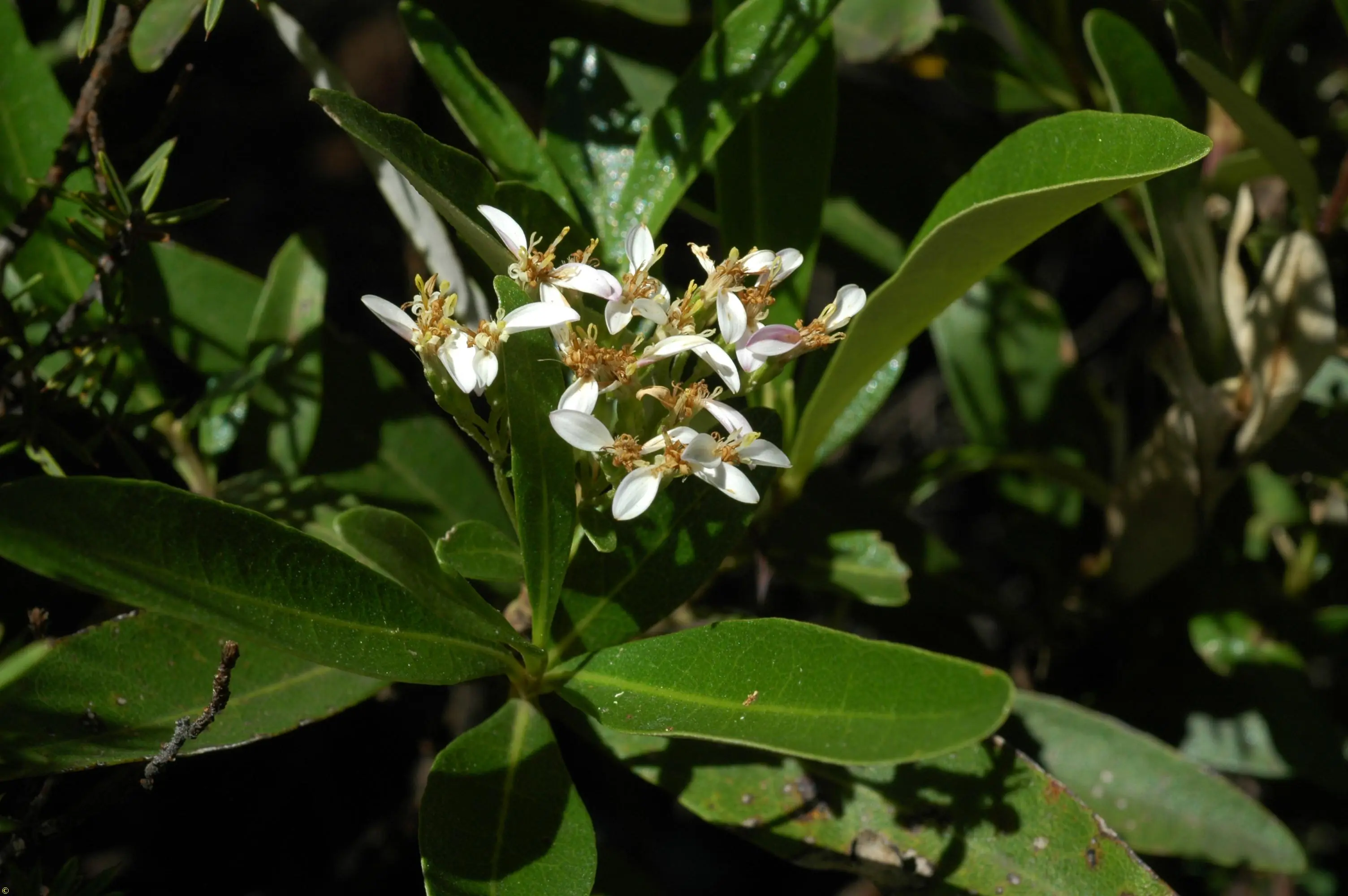 Image Credit: Rob Wiltshire – Natural Values Atlas
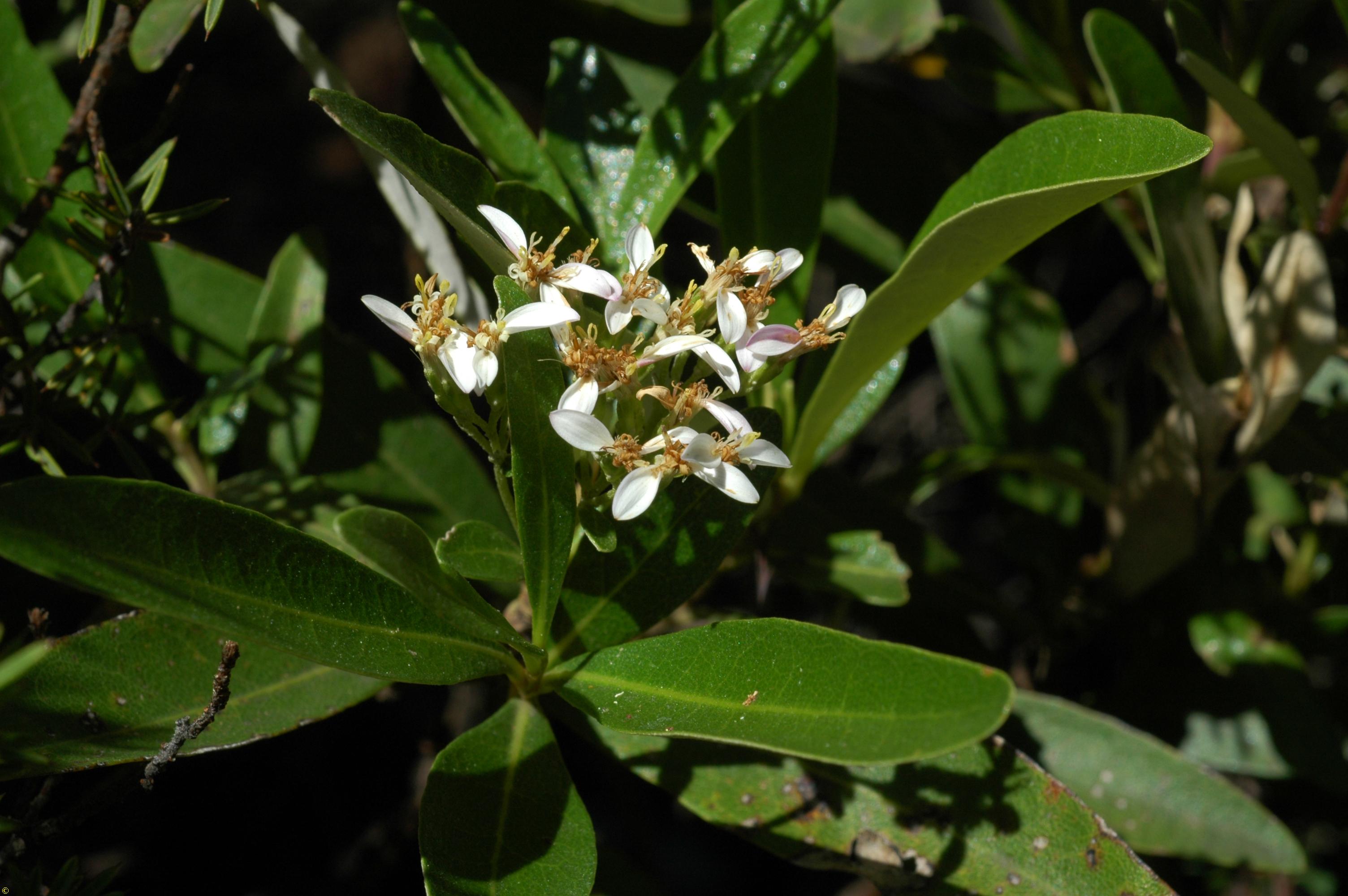
Scientific Name: Olearia viscosa
Common Name: viscid daisybush
Family Classification (Clade): Eudicots
Family: Asteraceae
Form Description: Much-branched shrub, young shoots often sticky.
Height (m): 1 – 2
Flowers: Flower heads small, numerous in clusters with shorter stalks at top. Florets 4-6 creamish-white.
Fruit: Achene mainly hairless, but often downy below the pappus.
Municipality
Plant Communities
Habitat Notes
Widespread in wet sclerophyll forests and on the lower slopes of mountains.
Site Tolerance
Moist, Shady
Soil Tolerance
Fertile, Loam, Well-drained
Frost Tolerance
Moderate
General Notes
Prefers well-drained acidic soils which retain moisture and a semi-shaded site. Responds well to pruning. Bird attracting. May be susceptible to mealy bug. Resistant to Phytophthora cinnamomi.
Propagation Calendar
-
Flowering Month
Jan Feb Mar Apr May Jun Jul Aug Sep Oct Nov Dec -
Seed Collecting Month
Jan Feb Mar Apr May Jun Jul Aug Sep Oct Nov Dec -
Sowing Month
Jan Feb Mar Apr May Jun Jul Aug Sep Oct Nov Dec -
Cutting Month
Jan Feb Mar Apr May Jun Jul Aug Sep Oct Nov Dec
Propagation Method
Seed Information
Seed Collection
When seed is mature seed heads develop a fluffy appearance. Collect entire seed heads into large paper bags and allow to dry.
Seed Treatment Method
Standard Scatter seed thinly on to damp potting mix. Hold seed in place by covering with more potting mix to approximately the depth of the seed size.
Seed Storage Life
Short
Seed Treatment Notes
For best results fresh seed should be used. Surface sow or lightly cover. Has been used for direct seeding with some success.
Germination Time
2-5 weeks
Cutting & Division Information
Can be propagated by cuttings of firm young growth.