-
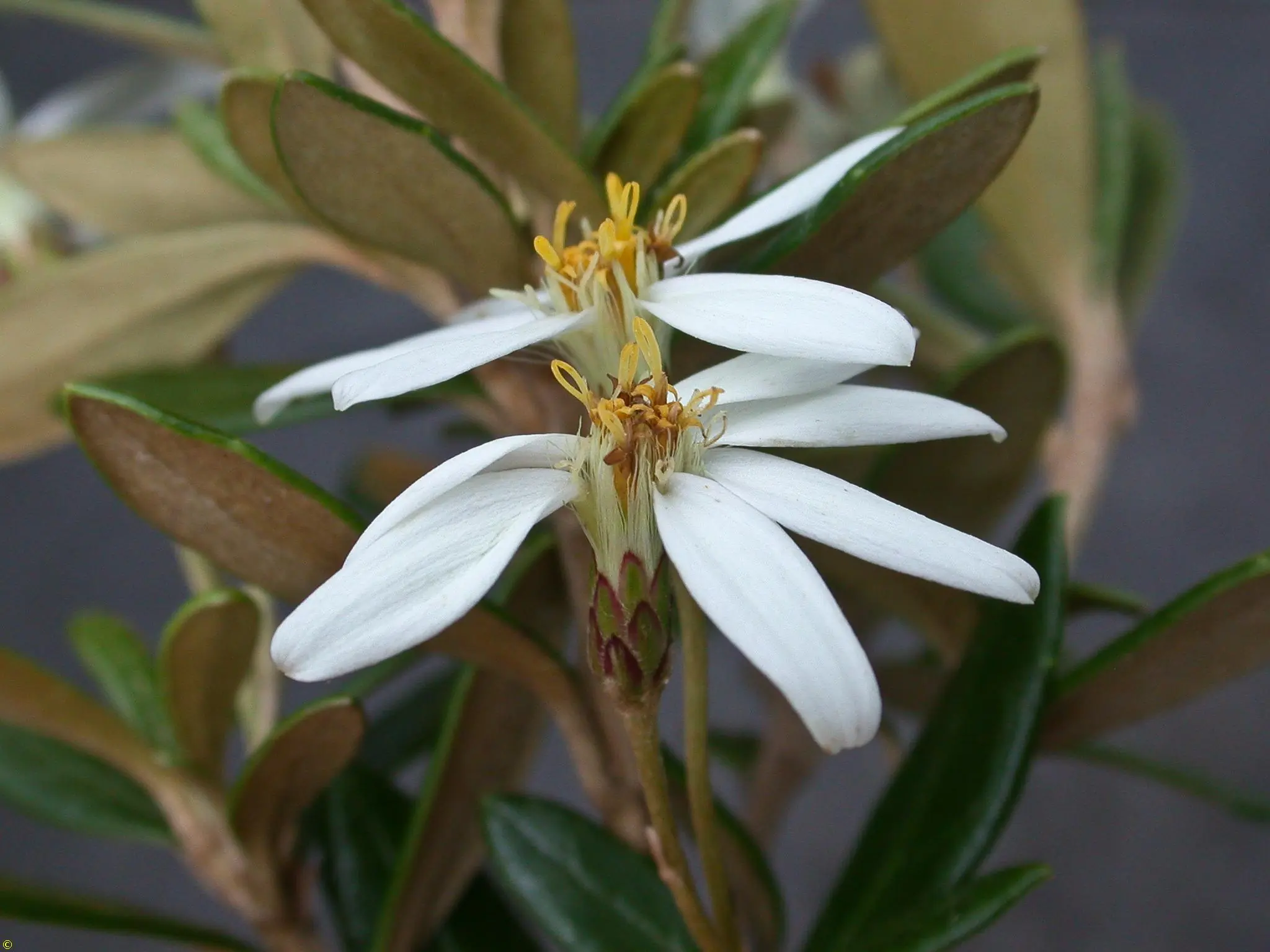 Image Credit: Rob Wiltshire – Natural Values Atlas

Scientific Name: Olearia tasmanica Endemic Having a natural distribution confined to a particular geographic region
Common Name: tasmanian daisybush
Family Classification (Clade): Eudicots
Family: Asteraceae
Form Description: Bushy shrub
Height (m): 0.6 – 1
Flowers: Flower heads solitary, stalked. Florets white about 15.
Fruit: Achene without hairs.
Municipality
Plant Communities
Habitat Notes
Occasional in sub-alpine shrubberies at altitudes above about 1000m and at lower altitudes near the west and south-west coasts.
Site Tolerance
Exposed, Moist, Windy
Soil Tolerance
Fertile, Loam, Well-drained
Frost Tolerance
Hardy
General Notes
Bird attracting. May be susceptible to mealy bug. Resistant to Phytophthora cinnamomi.
Propagation Calendar
-
Flowering Month
Jan Feb Mar Apr May Jun Jul Aug Sep Oct Nov Dec -
Seed Collecting Month
Jan Feb Mar Apr May Jun Jul Aug Sep Oct Nov Dec -
Sowing Month
Jan Feb Mar Apr May Jun Jul Aug Sep Oct Nov Dec -
Cutting Month
Jan Feb Mar Apr May Jun Jul Aug Sep Oct Nov Dec
Propagation Method
Seed Information
Seed Collection
When seed is mature seed heads develop a fluffy appearance collect entire seed heads into large paper bags and allow to dry.
Seed Treatment Method
Surface Sow Sow seed finely on the surface of the potting mix and cover with just enough mix to hold the seed on the surface when watered.
Seed Storage Life
Short
Seed Treatment Notes
Has been used for direct seeding with some success. For best results fresh seed should be used. Surface sow or lightly cover.
Germination Time
2-5 weeks
Cutting & Division Information
Can be propagated from cuttings.