-
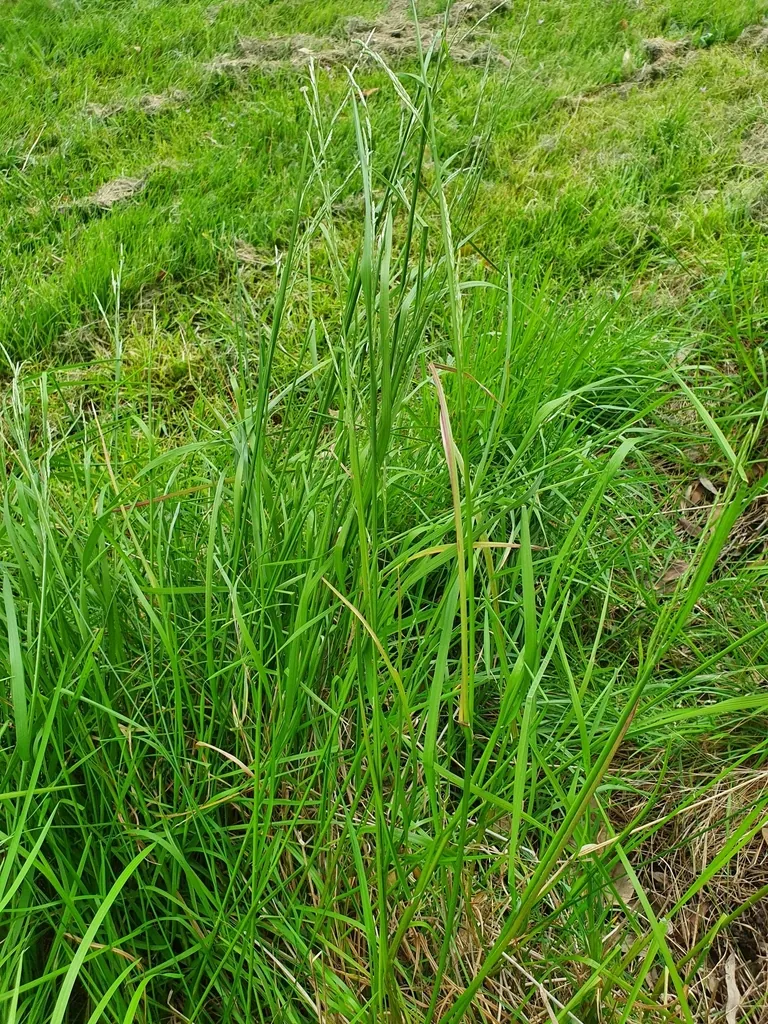 Image Credit: trav_j CC BY-NC
-
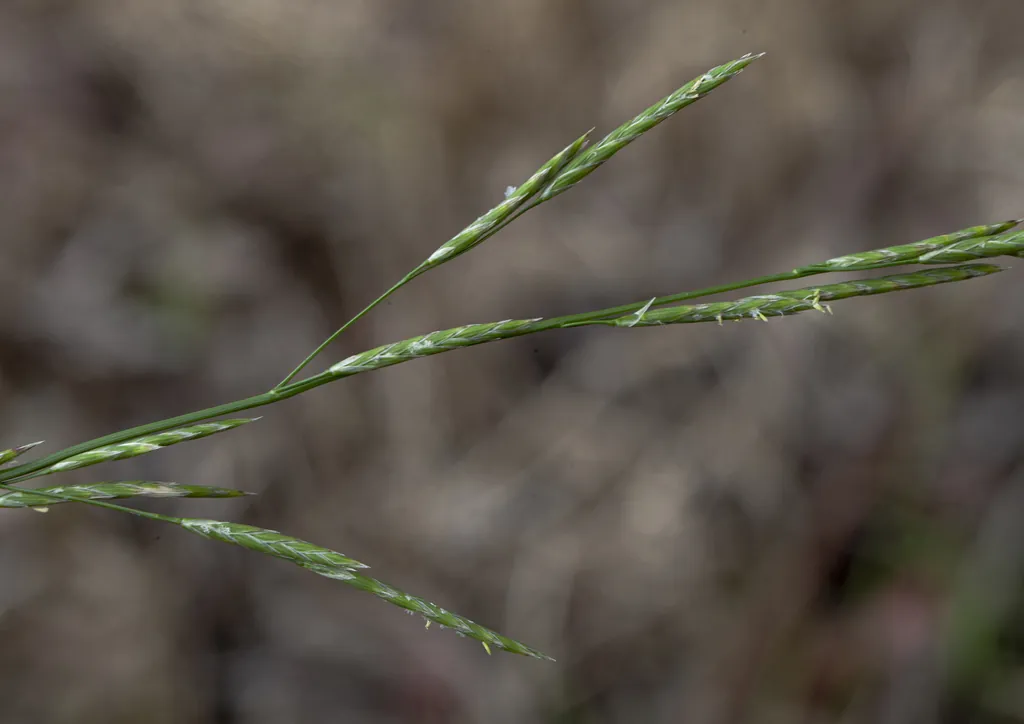 Image Credit: Greg Holland CC BY-ND
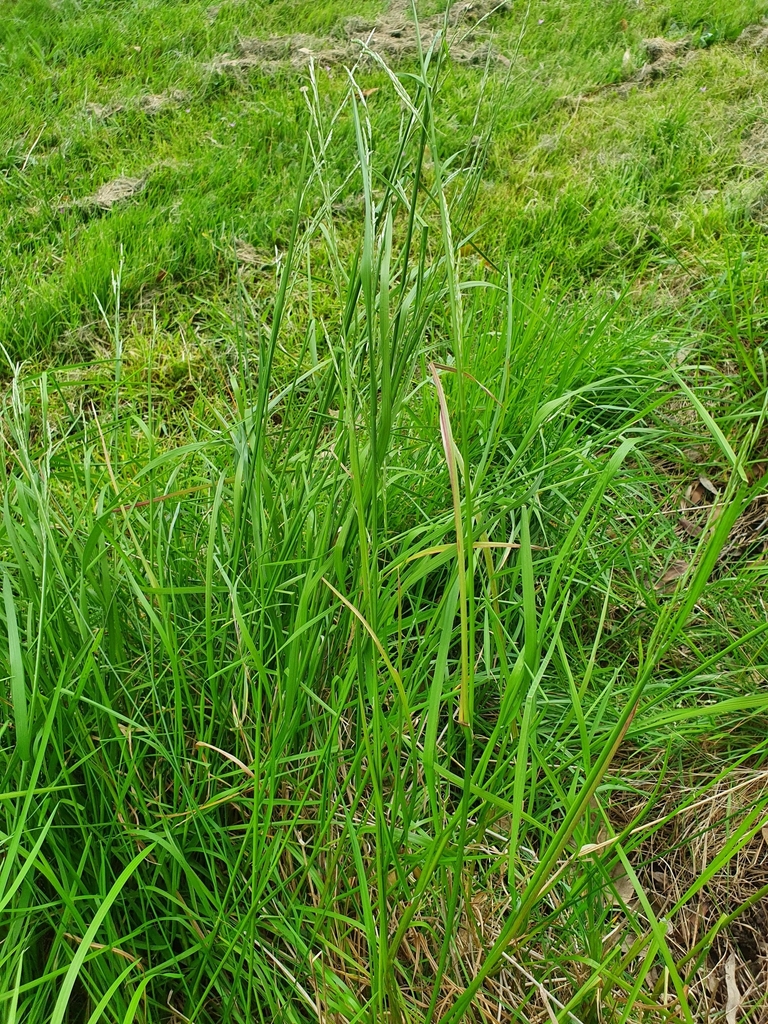
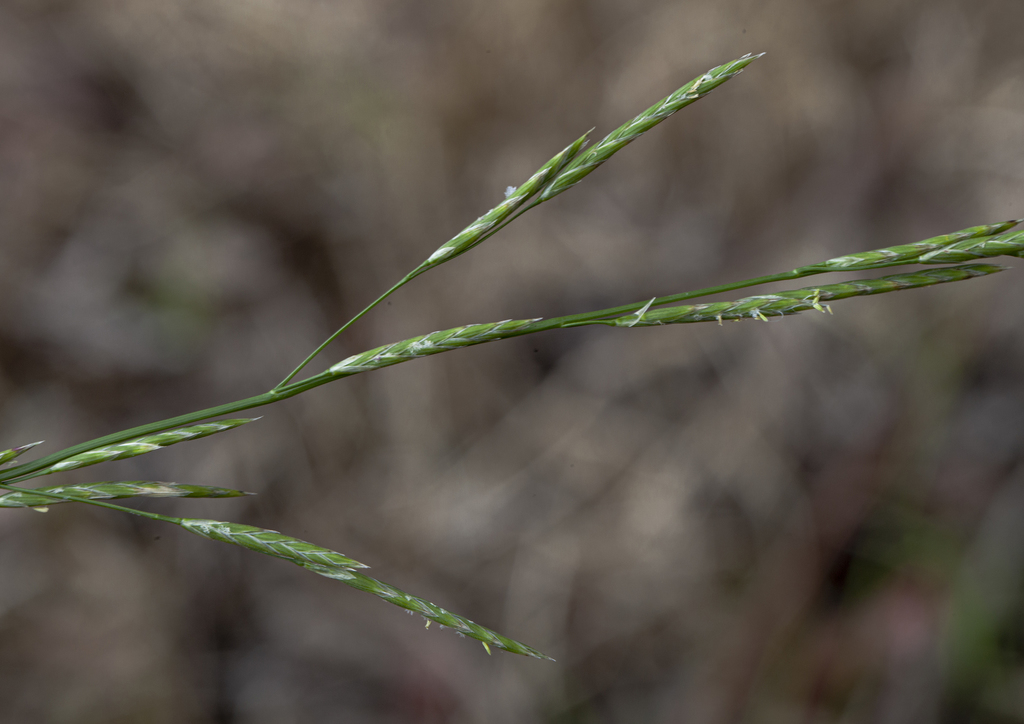
Scientific Name: Glyceria australis
Common Name: australian sweetgrass
Family Classification (Clade): Monocots
Family: Poaceae
Form Description: Erect, tufted perennial grass with flat or folded leaves, up to 20cm long and 4mm wide, which taper gradually to the tip. Stems are rather weak, erect and smooth.
Flowers: Flower heads are erect or nodding, bearing few spikelets.
Fruit: Caryopsis
Municipality
Plant Communities
Habitat Notes
Widespread in freshwater lagoons, drains, low-lying areas and along creeks and rivers, from sea level to 750m altitude. North-west, east coast, Midlands and Central Highlands.
General Notes
Bird attracting. Plants provide important habitat.
Propagation Calendar
-
Flowering Month
Jan Feb Mar Apr May Jun Jul Aug Sep Oct Nov Dec -
Seed Collecting Month
Jan Feb Mar Apr May Jun Jul Aug Sep Oct Nov Dec -
Sowing Month
Jan Feb Mar Apr May Jun Jul Aug Sep Oct Nov Dec -
Cutting Month
Jan Feb Mar Apr May Jun Jul Aug Sep Oct Nov Dec
Propagation Method
Seed Information
Seed Treatment Method
Bog Method The seeds of many wetland species need to be kept wet to germinate. Punch a hole in the side of a recycled polyfoam box so that it holds water to the required depth. Sit the tubes in the box to germinate. Once germinated, punch holes in the bottom of the box to allow drainage.
Seed Treatment Notes
Easily grown from seed using the bog method, also easily grown by division. Seed has a 2-3 month after-ripening period.