-
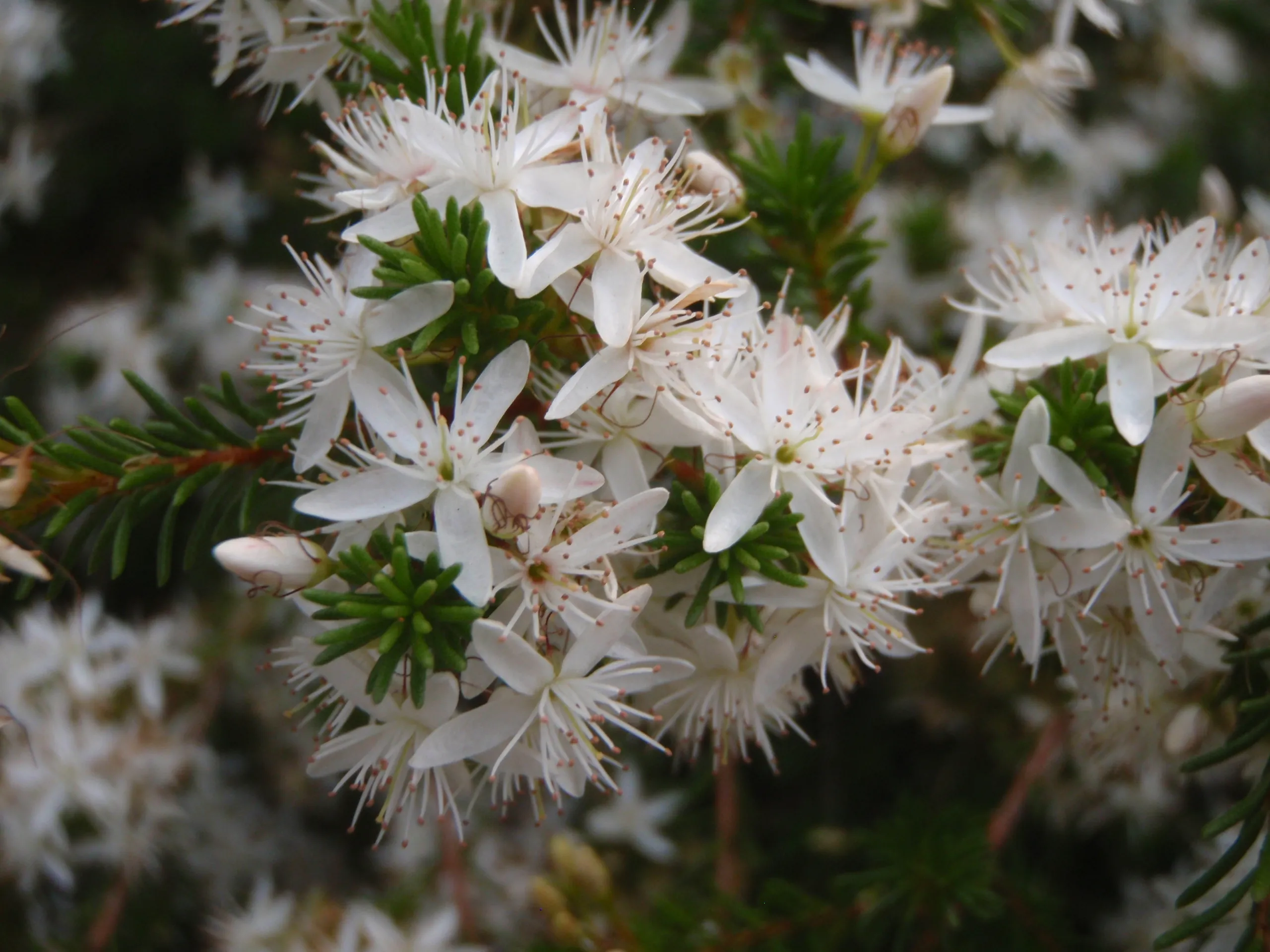 Image Credit: Anna Povey – with permission
-
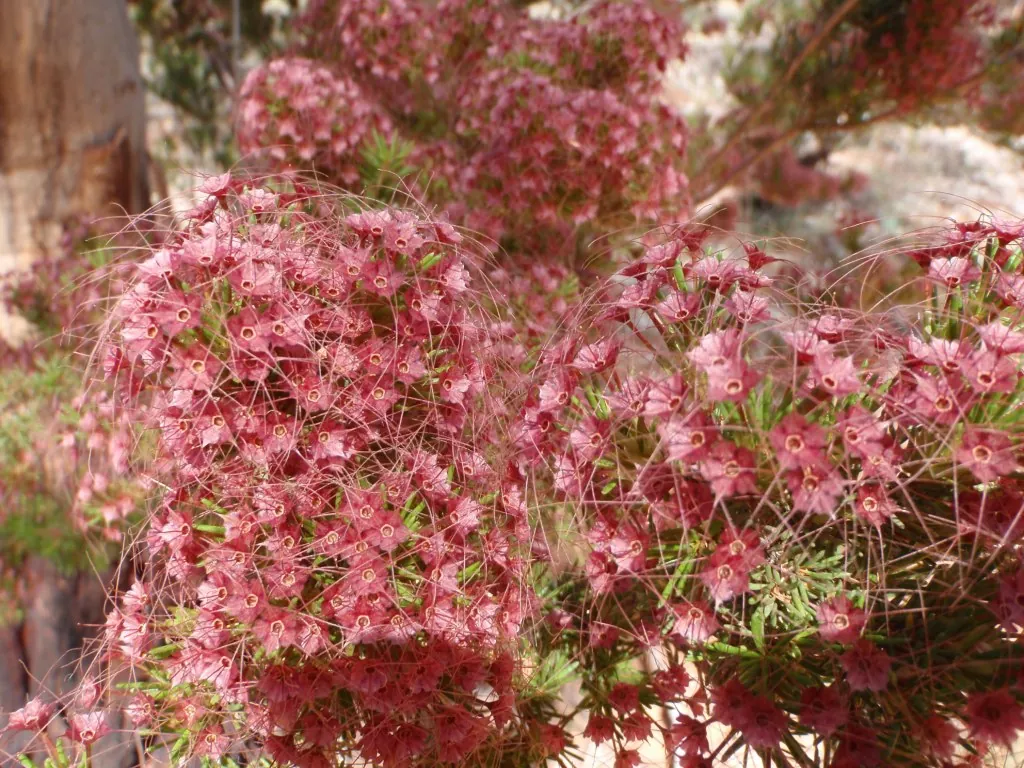 Image Credit: Anna Povey – with permission
-
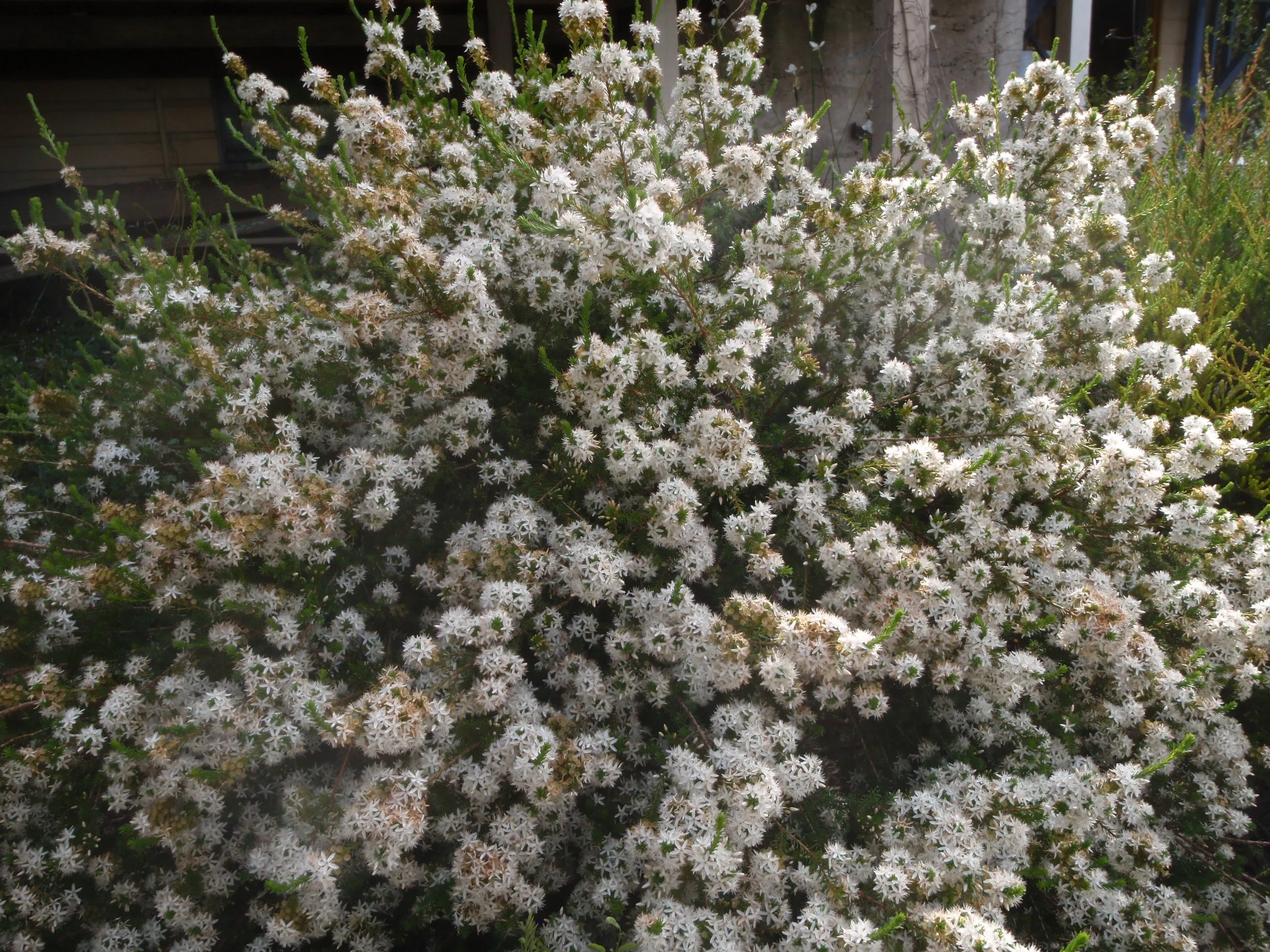 Image Credit: Anna Povey – with permission
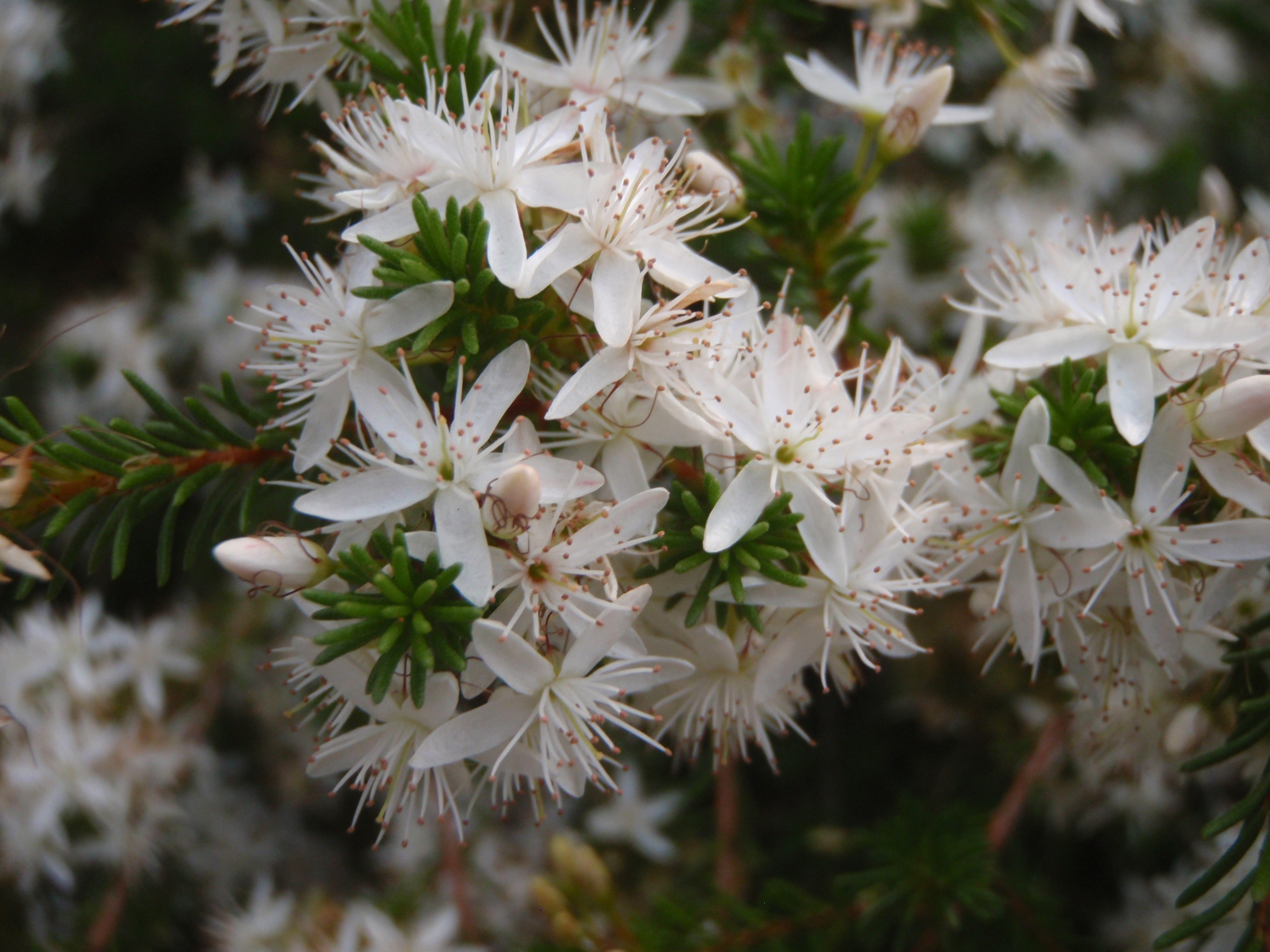
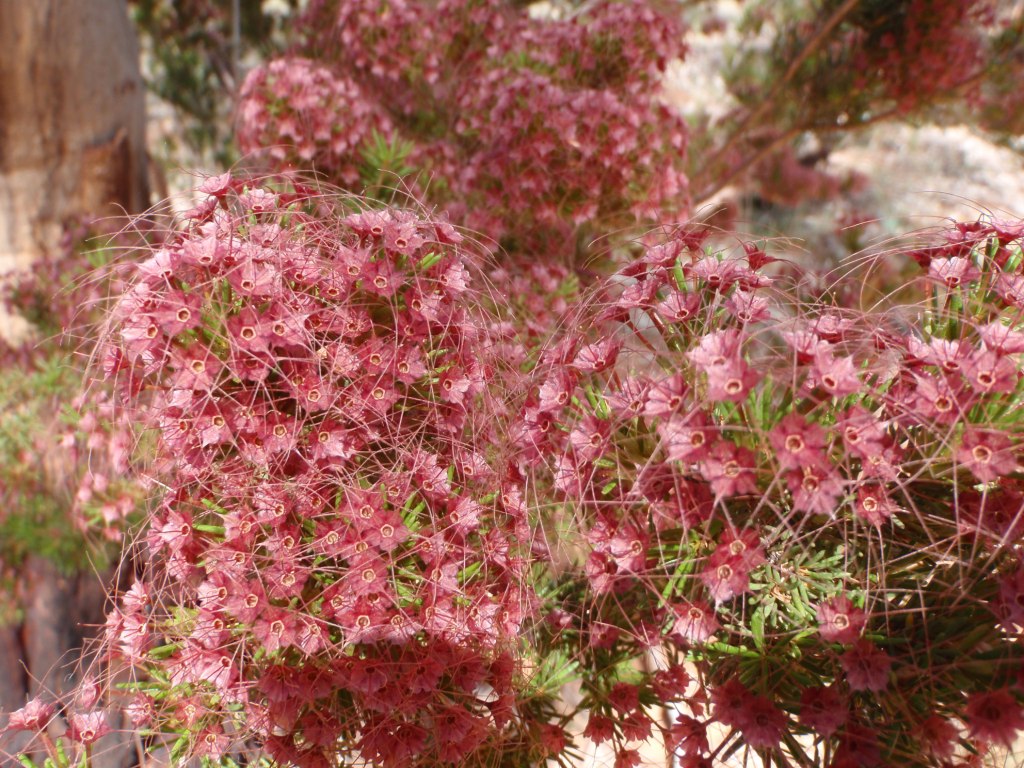
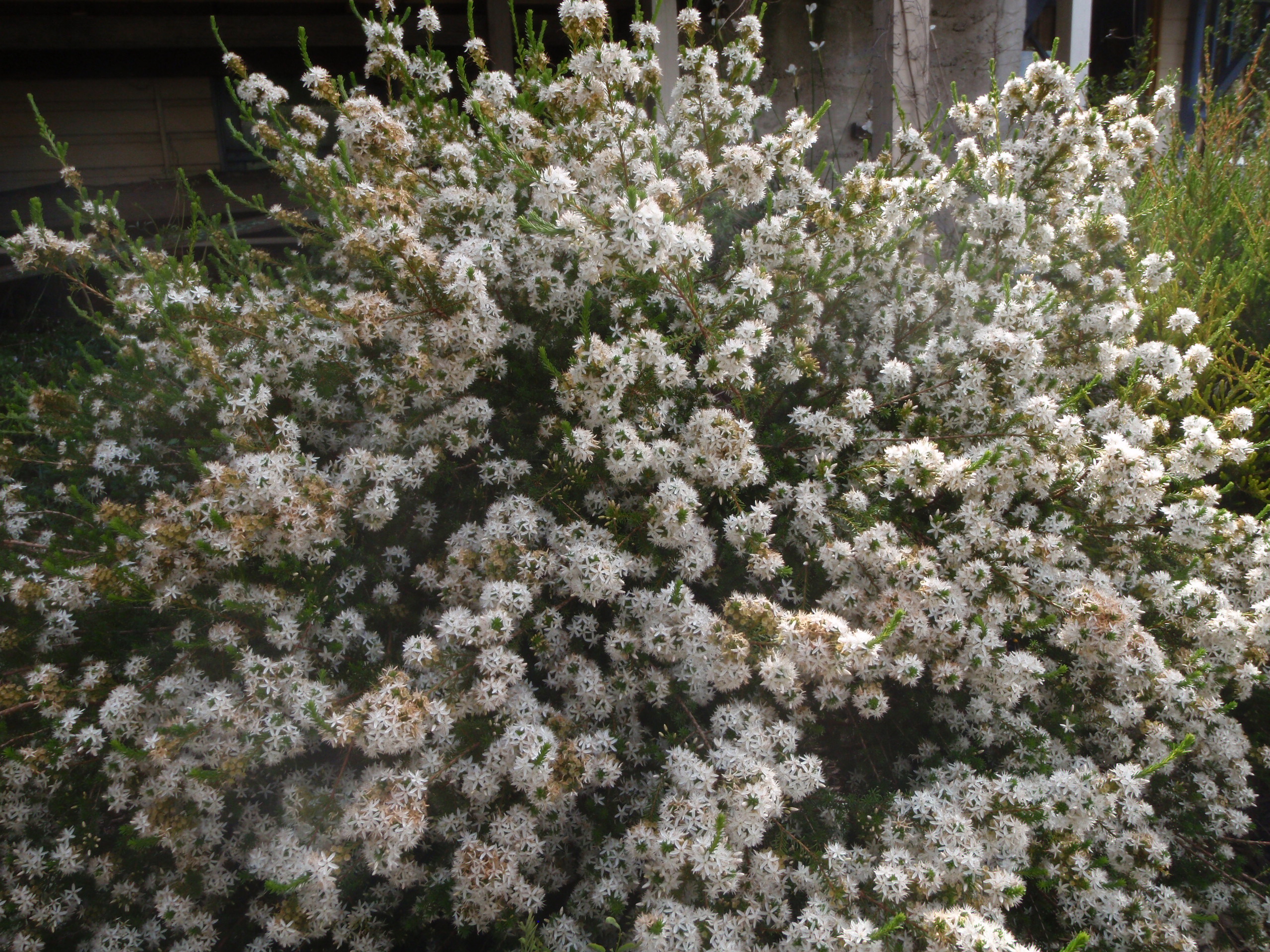
Scientific Name: Calytrix tetragona
Common Name: common fringemyrtle
Family Classification (Clade): Eudicots
Family: Myrtaceae
Form Description: Erect, branched shrub.
Height (m): 0.6 – 1.2
Flowers: Showy heads, 5 white or pink petals, prominent stamens.
Fruit: Papery capsule – turn bronze or green and release from plant as mature. Dry one seeded fruit, with a fine awn-like attachment with fine hairs.
Municipality
Plant Communities
Habitat Notes
Widespread in wet coastal heaths where it is often dense and wind pruned. Grows along some northern rivers. Likes well-drained soils in full sun or semi-shade but will tolerate periodic inundation. Tolerates extended dry periods.
Site Tolerance
Dry, Exposed, Moist, Shady, Waterlogged, Windy
Soil Tolerance
Clay, Loam, Nutrient-poor, Poorly-drained, Sandy, Well-drained
Frost Tolerance
Hardy
General Notes
Reputedly has high flammability. Useful in providing food for moths, butterflies and other insects. Bird attracting. The foliage provides good low refuge for small birds. Good front line coastal plant.
Propagation Calendar
-
Flowering Month
Jan Feb Mar Apr May Jun Jul Aug Sep Oct Nov Dec -
Seed Collecting Month
Jan Feb Mar Apr May Jun Jul Aug Sep Oct Nov Dec -
Sowing Month
Jan Feb Mar Apr May Jun Jul Aug Sep Oct Nov Dec -
Cutting Month
Jan Feb Mar Apr May Jun Jul Aug Sep Oct Nov Dec
Propagation Method
Seed Information
Seed Collection
Because of sharp spines which dislodge easily, gloves should be worn when collecting.
Seed Treatment Method
Standard Scatter seed thinly on to damp potting mix. Hold seed in place by covering with more potting mix to approximately the depth of the seed size.
Seed Storage Life
1-2 years
Seed Treatment Notes
Difficult to grow from seed according to Ralph; Soc. for Growing Aus. Plants – may be propagated from seed or cuttings. Hot smoke has yielded good results. When seed drops naturally it drills into soil with attachment, vertically. If seeds are dropped and allowed to self drill results improve.
Germination Time
6-10 weeks
Cutting & Division Information
May be propagated from cuttings. Take cuttings about 3 months after flowering from young growth low down on the plant before it becomes too woody. Small cuttings (4-5cm) do well in a mix that is well-drained and aerated (e.g. 4 parts washed river sand, 4 parts perlite, 1 part peat moss). Strike the cuttings in open shade with low humidity rather than on a hot bed. Timing is important – ripe summer cuttings.